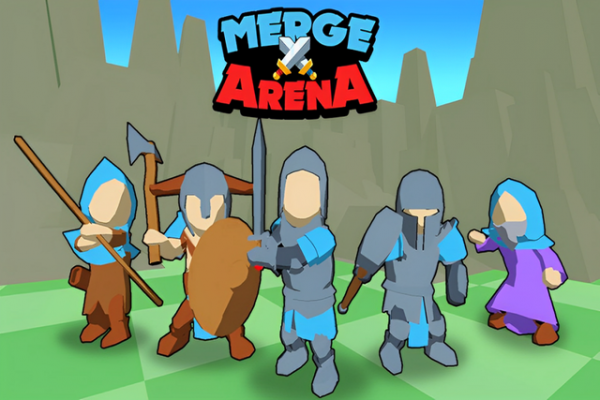
Merge Tactics: Strategic Defense
Review
Merge Tactics: Strategic Defense focuses on a clear loop: merge identical units, position them on a grid, and watch automatic battles unfold. The incremental structure means each win raises the challenge, and boss encounters test whether your merge and placement decisions hold up. Resource management adds depth because unit costs rise as you recruit. Players who enjoy planning and pattern recognition over fast reflexes will find the most value here. The input does not detail unit variety or multiplayer, so those expecting extensive roster customization should verify before playing.
About This Game
Merging Units for Power
The central mechanic in Merge Tactics: Strategic Defense is dragging and dropping identical units together to form a single, stronger unit. This merge process directly increases power and effectiveness, creating a clear loop: earn coins, recruit units, merge duplicates, and field a more capable force. Because merging is the primary path to improvement, players who merge frequently tend to field stronger armies than those who spread resources thin.
Grid Placement and Expansion
Units are arranged on a grid before each battle. Positioning matters because battles play out automatically once the round begins. Players can unlock additional land spaces to fit more units or reposition existing ones, which expands tactical options. The grid layout forces trade-offs between unit count and unit quality, especially as unit costs rise with each recruit.
Progression and Boss Encounters
Each victory leads to tougher opponents, driving an incremental progression curve. Boss battles appear at regular intervals and test whether the player's merge strategy and placement hold up under pressure. Coins earned from wins are used to recruit more units, but the increasing cost of units encourages careful spending rather than constant buying. This creates a resource management layer on top of the merge mechanic.
Learning Through Observation
Since battles resolve automatically, the main feedback loop is watching how units perform and adjusting for the next round. Players learn which placements work, when to merge versus recruit, and how to time upgrades. The game rewards patience and pattern recognition more than fast reflexes, making it accessible to players who prefer planning over real-time action.







💬 Comments
0 comments