Flag Chase Parkour Race
Review
Flag Chase Parkour Race keeps its scope tight: race other players to a flag, use speed boosts wisely, and avoid letting moving platforms break your rhythm. The keyboard controls are easy to pick up, which makes the game accessible to families and casual players, while course knowledge and timing give dedicated players room to improve. Rounds are short, so losing rarely feels punishing. The main limitation is that the input describes only the core race mode, so players seeking deeper progression or varied game modes should verify what the current version offers.
About This Game
Race to the Flag
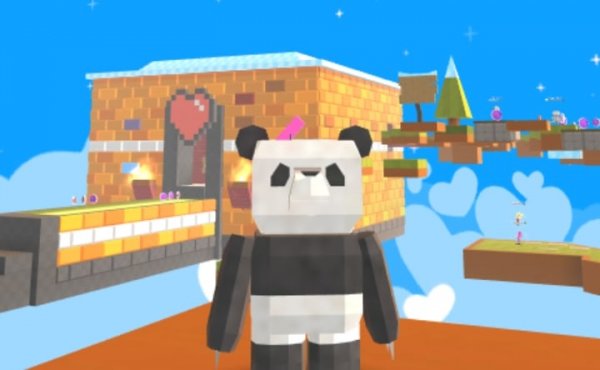
Flag Chase Parkour Race is an online multiplayer game where the only goal is to reach the flag at the end of a course before anyone else. Each round drops players into a vibrant blocky environment filled with platforms that demand quick decisions and clean movement. The premise is simple, but the competition stays tense because one missed jump or a poorly timed step onto a moving section can cost you the lead. [IMG_1]
Platforms That Change the Race
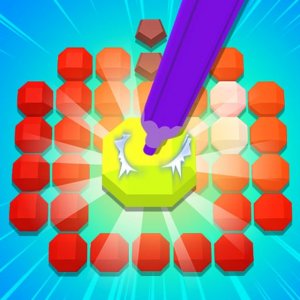
Courses are built from platforms with distinct functions. Speed boosts launch you forward and can turn a trailing position into a lead, while moving sections require precise timing and can slow your progress if you rush them. Learning which platforms help and which ones punish careless movement is the core skill that separates consistent winners from players who rely on luck. The layout of each course rewards route knowledge as much as raw speed. [IMG_2]
Controls and Movement
Players use keyboard controls to move their character across the course. The space bar handles jumps over gaps and onto platforms. If you fall or want to restart your run, a reset key returns your character to the start. The control scheme is easy to learn, which keeps the focus on timing, route choice, and reading opponents rather than memorizing complex inputs.
Tips for Better Runs
Spend your first runs learning the course layout and the effect of each platform type. Use speed boosts to gain ground, but approach moving sections with controlled timing instead of sprinting into them. Practicing jumps and landings pays off because clean movement prevents the small delays that add up over a race. Watching where opponents go can reveal shortcuts or more efficient lines you might have missed.






💬 Comments
0 comments