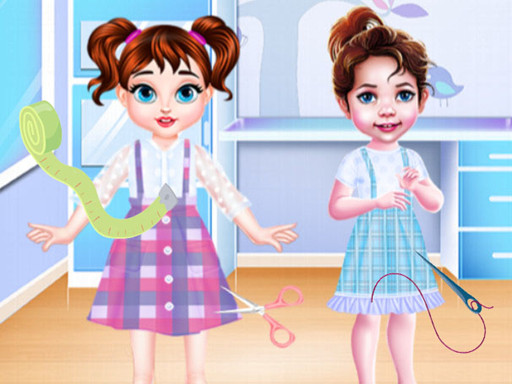
Taylor and Jessica Dress Up Game
Review
Taylor and Jessica Dress Up Game focuses on one activity and does it without pressure. Children choose a pinafore base, then layer colors, patterns, and decorations like bows or belts. The click-and-drag controls suit early learners, and saved outfits turn each session into part of a growing collection. It is best for kids who enjoy fashion and color play. The main limitation is scope: there are no scores, stories, or challenges beyond the design process itself.
About This Game
Designing Pinafores for Taylor and Jessica
Players start by choosing a pinafore dress base for either Taylor or Jessica. From there, the game becomes a small design studio: pick a color, select a pattern, then add decorations such as bows, belts, or jewelry. Each choice changes the outfit immediately, so children see cause and effect without needing to read instructions. The two characters give the activity a clear focus and a reason to make more than one dress.
Controls Built for Young Designers
Everything runs on simple click-and-drag controls. There are no timers, no scores, and no fail states. That absence of pressure is the point: a child can spend ten minutes on one bow or restart a dress entirely without losing progress. The interface stays out of the way, which matters for players who are still learning mouse or touchscreen precision.
Saving and Revisiting Outfits
Finished designs can be saved, building a personal collection of looks. This turns a single play session into an ongoing project. A child can return later, compare earlier outfits, and notice how their color choices or accessory combinations have changed. The saved collection also gives parents a concrete way to talk about what the child made and why.
What the Game Quietly Teaches
Matching patterns to colors, deciding whether a belt improves a dress, and choosing between two decoration types are all small design decisions. Over time, players practice color recognition and visual matching without being quizzed. The relaxed format means the learning happens as a side effect of play, not as a separate task.



💬 Comments
0 comments