Nonograms Puzzle Game
Review
Nonograms Puzzle Game delivers a clean, deduction-driven experience with a gentle learning curve and a satisfying visual reward. The cross-device support and community sharing add convenience, though the game relies entirely on solitary logic—there is no competitive or timed mode mentioned. It suits players who enjoy quiet, methodical problem-solving and want a portable brain teaser that scales in difficulty.
About This Game
Reading the Grid
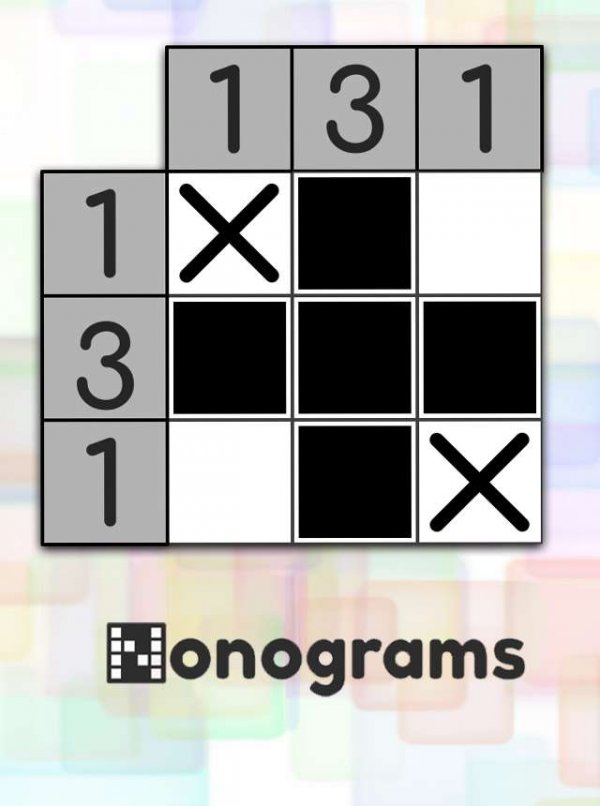
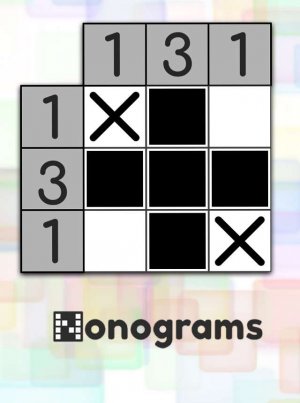
Every puzzle starts as an empty grid with numbers along each row and column. Those numbers tell you how many consecutive cells to fill in that line, with at least one gap between separate groups. For example, a clue of "3 2" means three filled cells, then a break, then two more. The challenge is figuring out exactly where those groups sit before committing to a cell. [IMG_1]
Deduction Over Guessing
Progress comes from logic, not trial and error. Start with rows or columns that have large numbers or very few possible arrangements—those give you cells you can mark with certainty. When you know a cell must be empty, mark it with an X to keep track. Each correct deduction narrows the options for crossing lines, so the puzzle unfolds step by step. [IMG_2]
From Simple to Complex
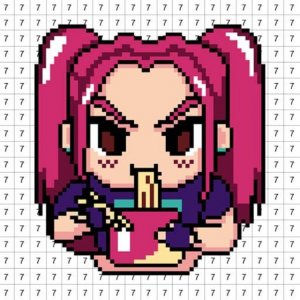
The game introduces small grids first, letting you learn the clue system without pressure. As you improve, larger grids appear with more intricate number patterns that demand advanced reasoning. This steady ramp keeps early puzzles approachable while giving experienced solvers grids that require layered logic. [IMG_3]
Pixel Art Payoff
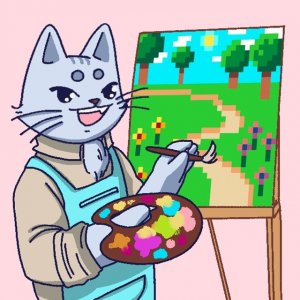
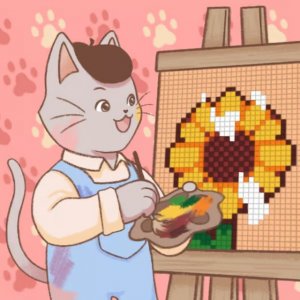
Completed grids reveal hidden pixel art images—animals, objects, and other recognizable subjects. That visual reward gives each solved puzzle a tangible result beyond the satisfaction of correct deduction. The images also serve as a hint system of sorts: as the picture emerges, you can sometimes spot where remaining fills belong. [IMG_4]
Play Anywhere
The game runs on laptops, tablets, and smartphones, using either a mouse or touchscreen. Progress carries across devices, so you can start a puzzle on one screen and finish on another. Community sharing lets you compare solutions with friends after completing a grid.

💬 Comments
0 comments