Numbered Shade Puzzle Game
Review
Numbered Shade Puzzle Game delivers exactly what its tags promise: a relaxing, creative puzzle for families. The strength is its honesty. There is no timer, no score, and no locked content, so the only goal is completing the picture. Touch and mouse support make it flexible across devices. The limitation is equally clear: the input describes no undo tool, no hints, and no progression system. Players who want challenge or rewards may find it too passive. For quiet moments or shared coloring with children, the design holds together.
About This Game
Matching Numbers to Color
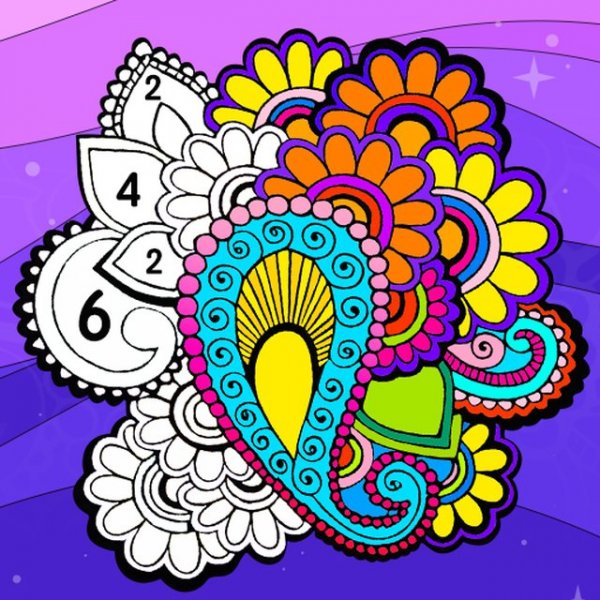
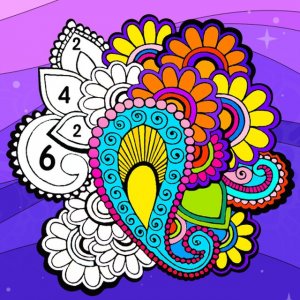
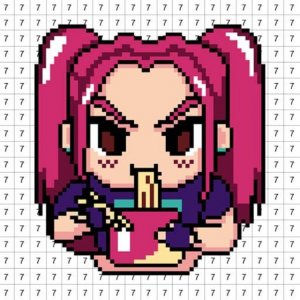
Numbered Shade Puzzle Game turns a simple matching task into a complete picture. Every drawing is split into small zones, each marked with a number. A palette nearby shows the same numbers paired with colors. Your only job is to select a palette number and apply it to the zone carrying that number. The area fills instantly, and the outline slowly becomes a finished image. Because the rule never changes, you can start coloring within seconds of opening the game.
A Library Without Locks
All drawing categories are available from the beginning. There are no unlock requirements, no stars to earn, and no gated content. You choose an outline from the selection and begin. This open structure suits players who want to switch pictures freely or return to a half-finished drawing later. The variety of categories means a young child and an older family member can each find something appealing without competing for progress.
Controls and Device Support
The game runs in a web browser and accepts both mouse and touch input, so it works on computers, tablets, and smartphones. A full-screen mode removes browser clutter for longer sessions. The interface is deliberately plain: palette on one side, drawing in the center, no distracting panels. Because the mechanics rely on tapping or clicking, no prior gaming experience is needed. The same simple action works whether you are on a desktop monitor or a phone screen.
Pacing and Creative Order
Nothing in Numbered Shade Puzzle Game pushes you forward. There is no clock, no score penalty, and no failure state. You can color one section, step away, and come back without losing progress. The order of colors is entirely your choice. Some players work corner to corner for a tidy result; others jump between numbers to watch the image emerge unevenly. Both approaches finish the picture. The absence of pressure is the point, and it makes the game easy to share with children or use during a quiet break.

💬 Comments
0 comments