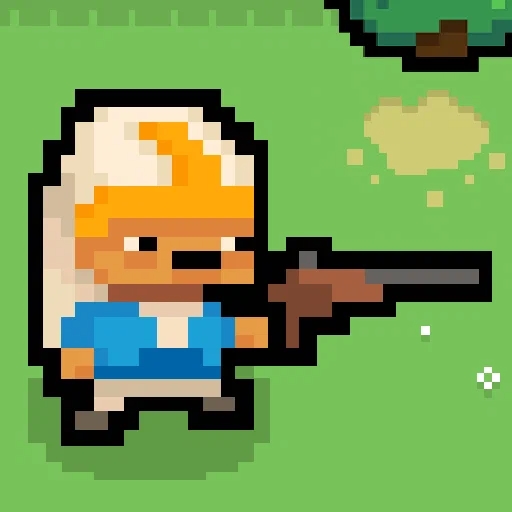
Precision Aim Duel
Review
Precision Aim Duel stands out by adding wind direction and physical obstacles to a basic target-hitting formula. Those two variables force players to calculate each shot rather than rely on reflexes alone. The single-player time limit and two-player duel mode give the game two distinct rhythms: solo improvement and direct competition. The HTML5 build and family-friendly design make it accessible across devices and age groups. Its depth depends on how much players invest in reading conditions, so those seeking a quick reaction game may find it more strategic than expected.
About This Game
Hitting Targets in Changing Conditions
Precision Aim Duel asks players to hit a moving target that travels up and down across a field. Between the player and the target, physical obstacles block straight shots, so each attempt requires reading the target's position and choosing a clear line. Wind direction adds another variable: the projectile drifts, meaning players must offset their aim rather than point directly at the target. The result is a timing and accuracy challenge where a successful hit depends on when you release and how you compensate for the environment.
Single-Player Practice and Two-Player Duels
In single-player mode, the goal is to hit the moving target as many times as possible within a set time limit. This mode works as solo practice for building hand-eye coordination and learning how wind and obstacles interact. In two-player mode, each player controls a character on opposite sides of the field. Both face the same obstacles and wind conditions, and the winner is the player who hits the opponent's target more times. The shared conditions keep the duel fair while allowing players to observe and adapt to each other's strategies.
Controls and Visual Feedback
Aiming uses a mouse or touch input: players aim and release to fire. Visual indicators show wind direction and obstacle positions, giving players the information they need to plan each shot. The controls are intentionally simple so that new players can start quickly, while the environmental factors provide depth for those who want to improve. Because the game is built with HTML5, it runs on PCs, mobile phones, and tablets without downloads or additional software.
Who It Suits and How to Improve
The family-friendly design keeps the focus on precision and adaptation rather than intense themes, making it suitable for ages seven and up. Players who enjoy reaction-based challenges or friendly competition will find a straightforward loop: read the wind, account for obstacles, and time the release. To improve, practice adjusting aim based on wind direction and obstacle placement, and in two-player mode, watch how your opponent handles the same conditions. Regular practice helps with anticipating target movement and staying calm under time pressure.





💬 Comments
0 comments