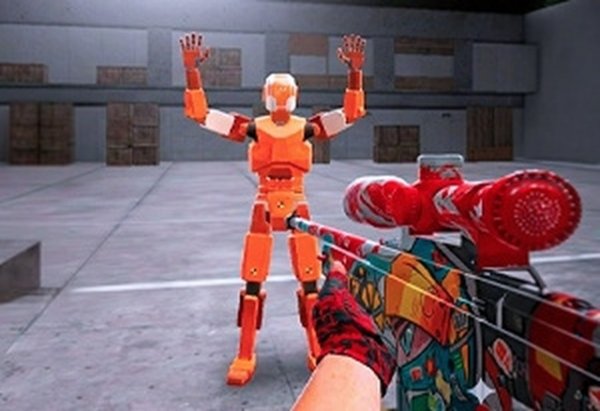
Quick Target Click Challenge
Review
Quick Target Click Challenge is a browser game that turns simple point-and-click actions into a structured practice routine for timing and hand-eye coordination. Its strength lies in gradual difficulty: early rounds teach the rhythm, later rounds add moving targets or obstacles that require planning. The game supports short sessions and longer practice runs, with pause functionality and a reward system for beating personal records. It suits casual players and anyone wanting to refine reflexes, though it is not a story-driven or competitive multiplayer experience.
About This Game
What the Game Asks of You
Quick Target Click Challenge is a browser-based point-and-click game built around one repeated action: clicking specific targets or items that appear on screen. Each round gives you a set of objectives, and you complete them by reacting quickly and accurately. The game does not require downloads and runs in both desktop and mobile browsers, so the same mechanics apply whether you use a mouse or touch input. The core loop is simple to understand but demands focus, since the targets are designed to test timing and hand-eye coordination rather than luck.
How Rounds Escalate
Early stages are deliberately straightforward, letting you learn the rhythm of appearing targets and practice deliberate clicks. As you progress, the challenges become more demanding: faster reactions and more precise clicks are required. Later rounds may introduce moving targets or obstacles, which shifts the task from pure speed to planning and decision-making. A brief tutorial at the start explains the basic controls, and reviewing it helps before you begin. The pacing is built so that difficulty rises without becoming overwhelming, keeping each session engaging.
Session Length and Progression
The game supports short play sessions as well as longer, focused practice runs. A clear progression system tracks your improvement, and a reward system encourages you to complete goals and beat your own records. Because scenarios and targets change between runs, replay value stays high. The game can be paused at any time, which gives you a chance to rest or think through a strategy when the pressure increases. This structure makes it suitable for casual players who want a quick break and for those who want to refine their timing over multiple sessions.
Approaches That Work
Observing the screen before clicking tends to help more than rushing. Many challenges become easier with a patient approach: focus on the primary objectives first, then consider optional rewards. When difficulty increases, staying calm and avoiding hasty clicks reduces mistakes. Use the early stages to master the basic controls and develop a steady rhythm. Consistent practice is the most reliable path to improvement, and the game's design rewards that consistency rather than one-off lucky runs.







💬 Comments
0 comments