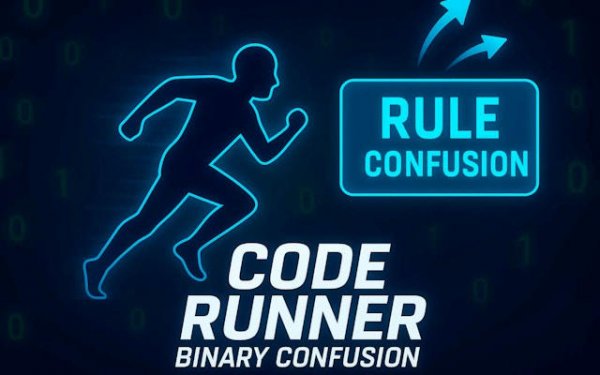
Code Path: Reflex & Logic Runner
Review
Code Path strips the endless runner down to one idea: a rule that changes mid-run. There are no power-ups, levels, or checkpoints, so difficulty comes entirely from faster pacing and more frequent rule swaps. The neon visuals and immediate feedback make mistakes easy to understand, which supports quick improvement. Runs last one to five minutes, suiting short breaks. The trade-off is limited long-term variety, since the core loop never expands. Players who enjoy pure reflex and logic challenges will find it rewarding; those seeking progression systems may not.
About This Game
Rule-Swapping Core Loop
You guide a character through a straight corridor filled with floating symbols. An instruction at the top of the screen tells you which symbol to collect and which to avoid. That instruction can change without warning, so a symbol you were chasing a moment ago may become one you must dodge. The challenge is not learning new mechanics but constantly reassessing what the current rule demands.
Speed and Rule Frequency
Difficulty rises through pacing rather than added features. Early runs give you enough time to read the rule and react. As your streak continues, movement speed increases and rule changes happen more often. The game never introduces power-ups or new mechanics, so the only variable is your ability to adapt to faster, more frequent shifts. This keeps the experience focused on the core skill of reading and reacting.
Neon Visuals and Immediate Feedback
A clean, futuristic aesthetic uses bright neon colors against a dark background. Symbols are large and clearly distinct, which helps you identify them even at high speed. A correct collection triggers a brief flash of light. Mistakes produce a clear visual cue and end the run. That immediate feedback helps you understand exactly where you went wrong, so you can adjust on the next attempt.
Short Runs and Replay Appeal
Each run typically lasts between one and five minutes, making Code Path easy to fit into a short break. The only goal is to beat your previous high score, which encourages repeated attempts. Because rule changes are random, no two runs feel exactly the same. There are no levels or checkpoints, so every session starts fresh and stays tense. The lack of progression systems keeps the focus on pure reflex and logic.




💬 Comments
0 comments