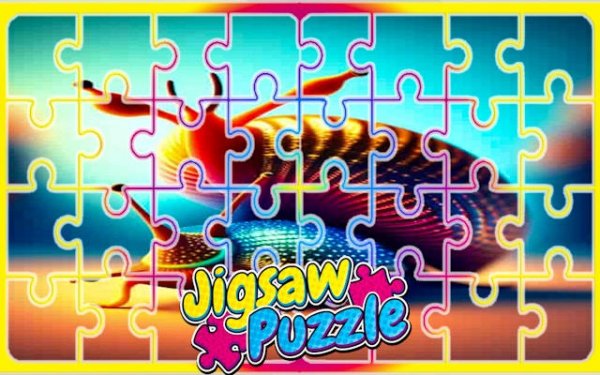
Garden Picture Slide
Review
Garden Picture Slide offers a straightforward sliding tile mechanic paired with hand-drawn garden artwork. The absence of a timer and the option to undo moves make it a low-pressure experience suitable for players who prefer thoughtful pacing over speed. The minimal interface and lack of advertisements keep focus on the puzzle. Difficulty may increase gradually, though the exact progression is not specified. It is best suited for fans of calm, nature-themed puzzles.
About This Game
How the Sliding Puzzle Works
Garden Picture Slide uses the familiar sliding tile format: a grid of mixed-up picture tiles with one empty space. You tap or click any tile adjacent to the gap, and it slides into the open spot. The goal is to rearrange every tile until the original garden illustration is restored. There is no timer, so you can think through each move without pressure.Hand-Drawn Garden Artwork
Each puzzle features a hand-drawn garden scene, often with snails and other small creatures in natural settings. The soft colors and gentle lines create a soothing visual atmosphere. Completing a puzzle reveals the full picture, which acts as a quiet reward. The artwork is designed to be pleasant without pulling your attention away from the puzzle itself.Progression and Difficulty
The game may gradually introduce more complex puzzles as you solve earlier ones. This could mean larger grids or images with subtle color differences that demand closer attention. The difficulty increases naturally, letting beginners build confidence before facing tougher challenges. There are no sudden jumps in complexity, and you can return to earlier puzzles at any time to practice or simply enjoy the completed images.Approaches to Solving Puzzles
A common method is to assemble the outer border first, which provides a frame of reference for the interior. After the edges are set, focus on matching patterns and colors in the center, such as the spiral shapes on a snail's shell. Some puzzles may benefit from working in rows or columns. Because there is no time limit, trying different move sequences is encouraged, and you can undo moves when exploring alternative solutions.Minimal Interface and Accessibility
The interface is intentionally minimal. Buttons and menus are kept to a minimum, allowing the puzzle to occupy most of the screen. Controls respond quickly to taps or clicks, making the game feel smooth. There are no advertisements that interrupt gameplay, and the entire experience is available without any cost. This design keeps your focus entirely on the puzzle.Editorial Notes
Compatibility
This H5 game runs smoothly on:
• Desktop computers (Windows / Mac) • Mobile phones (iPhone / Android)
• Tablets (iPad / Android)
🌐 Best experienced with Chrome, Safari, or Edge
Faq
Is Garden Picture Slide free to play?
Yes, the game is available at no cost. The interface is minimal, and there are no advertisements that interrupt gameplay. This allows you to focus entirely on solving each puzzle without external distractions.
Can I undo moves in Garden Picture Slide?
Yes, undoing a move is possible. This feature helps when you want to explore alternative solutions or correct a mistake without restarting the entire puzzle. It supports a relaxed, trial-and-error approach.
What kind of artwork does Garden Picture Slide feature?
Each puzzle showcases a hand-drawn illustration of a garden scene, often including snails and other small creatures in natural settings. The artwork uses soft colors and gentle lines, creating a soothing visual environment that is pleasant without being distracting.
Does Garden Picture Slide have a timer or time limit?
No, there is no timer. The absence of a time limit means every move can be considered at your own pace. You can plan carefully and solve each puzzle without any pressure, making it suitable for relaxation.
How does the difficulty progress in Garden Picture Slide?
The game may gradually introduce more complex puzzles as you solve earlier ones. This could mean larger grids or images with more subtle color differences that require closer attention. The difficulty increases naturally, allowing beginners to build confidence before facing tougher challenges.
Can I replay completed puzzles in Garden Picture Slide?
Yes, players can return to earlier puzzles at any time to practice or enjoy completed images. This allows you to revisit favorite garden scenes and reinforces the relaxed, non-linear progression of the game.






💬 Comments
0 comments