Floating Feast Catcher
Review
Floating Feast Catcher delivers a focused arcade experience: catch floating food, dodge moving hazards, and protect your limited attempts. The one-input control scheme works equally well with mouse or touch, making it approachable for younger players and casual sessions. Difficulty rises gradually through more hazards and faster items, while the endless format supports repeated attempts at a personal best. The main limitation is the lack of variety beyond the core catching loop, which may not hold players seeking deeper progression.
About This Game
Core Catching Loop
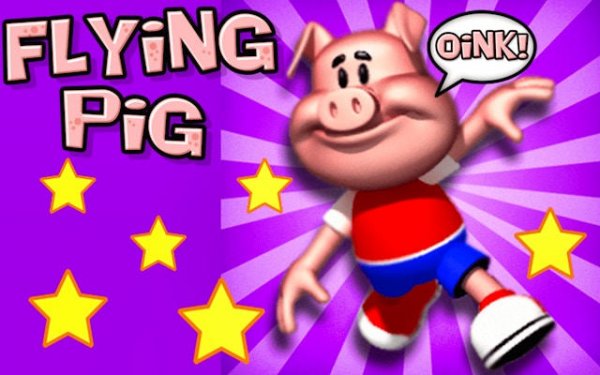
Floating Feast Catcher puts players in control of a cheerful animal character that moves across the screen in response to mouse or touch input. The objective is straightforward: position the character to intercept food items that float in from different directions. Each successful catch adds to the score. The play area also contains moving hazards, and contact with these obstacles reduces remaining attempts. The round ends once all attempts are exhausted, giving each session a clear finish line and a reason to refine positioning and timing.
Controls and Accessibility
The game relies on a single input method. On a computer, moving the mouse shifts the character's location. On touch-enabled devices, dragging a finger across the screen produces the same effect. There are no button sequences or layered menus to learn, which keeps the experience open to players of all ages, including young children. The responsive input allows for fine adjustments, and those small corrections become increasingly important as the action accelerates.
Visual Style and Tone
Graphics adopt a cartoon style with vivid, saturated colors. The main character has a friendly appearance, and collectible items are depicted in an appealing, non-threatening manner. Background elements such as clouds and sky gradients undergo subtle changes over time, adding visual interest without pulling attention away from the play area. The overall aesthetic avoids dark or intense themes, making the game suitable for shared family play.
How Difficulty Ramps Up
As players continue, the game gradually increases its challenge. More hazards appear on screen, and their movement patterns become less predictable. Collectible items may also move faster or appear in groups that require quick decisions. The endless format means there is no final level, so each attempt offers a chance to beat a personal best. Beginners can enjoy early rounds at a relaxed pace, while experienced players will find their reflexes tested as they aim for higher scores.
Strategies for Better Scores
To maximize scores, keep attention on the central area where most items and hazards converge. Prioritizing high-value treats while staying aware of incoming dangers helps balance risk and reward. Smooth, controlled movements reduce the chance of accidental collisions. Observing how obstacles move over time allows players to anticipate their paths and plan safer routes. Consistent practice builds the hand-eye coordination needed to handle the game's later stages.






💬 Comments
0 comments