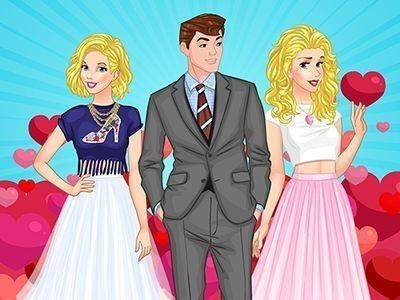
Princess Style Parade Challenge
Review
Princess Style Parade Challenge succeeds as a low-pressure creative tool for players who enjoy fashion and character styling. Its strength lies in the preference-matching system, which turns each outfit into a small puzzle without demanding prior fashion knowledge. The lack of time limits and the forgiving feedback loop make it approachable for families. The main limitation is that the input does not specify the total number of characters or events, so long-term variety depends on how much content is actually included.
About This Game
Matching Outfits to Personalities
Each princess in Princess Style Parade Challenge has her own preferences that affect how an outfit is scored. One might respond well to bright colors and bold patterns, while another prefers soft pastels or classic silhouettes. There is no single correct answer; several combinations can succeed if they align with the character's stated likes. This turns every round into a small puzzle of color and balance rather than a test of memorization.
How a Styling Round Works
You build looks by dragging garments, shoes, and decorative items from a wardrobe onto a character model. The interface is straightforward, and feedback arrives as reactions from in-game judges or companions. That feedback guides you toward more cohesive outfits without penalizing mistakes. Because there is no strict time limit, you can experiment at your own pace and adjust pieces until the look feels right.
Events, Unlocks, and Replay
The game organizes content into themed styling events, such as a garden party, a formal ball, or a casual outing. Completing an event unlocks new clothing items or additional characters. Replaying earlier events with newly unlocked pieces often leads to higher scores and different outcomes, which keeps the loop of trying, learning, and improving engaging over time.
Visual Style and Atmosphere
Bright, clean visuals with soft edges and a cheerful palette define the presentation. Character models are expressive but not overly detailed, making them easy to read. Menus are clearly labeled, and buttons respond quickly. Subtle musical cues change with the event theme, supporting a calming atmosphere focused on creative decisions.

💬 Comments
0 comments