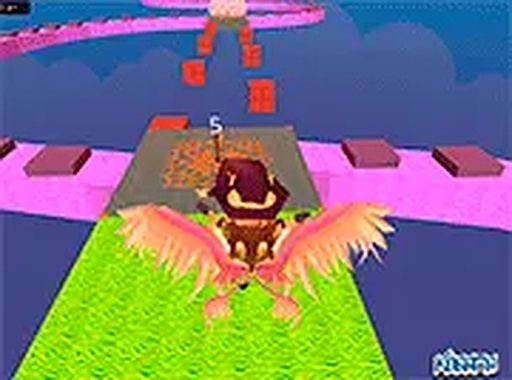
Springy Path Jumper
Review
Springy Path Jumper stands out from standard platformers by making every surface respond to how you land. That single twist adds strategy to each crossing and keeps stages from feeling repetitive. The browser-based format, automatic saving, and cosmetic-only character choices make it easy to pick up for a few minutes. The main limitation is that difficulty depends heavily on timing precision, which may frustrate players who prefer predictable jumps. Best suited to fans of reflex-driven arcade platforming who enjoy a physics quirk.
About This Game
How the Bounce Changes Every Jump
Most platformers treat every surface the same: you land, you jump, you move on. Springy Path Jumper breaks that assumption. Each platform compresses when you land and releases stored energy on takeoff, which means your jump height and trajectory shift based on how and when you touched down. The same platform can send you higher, shorter, or at a different angle depending on your approach. That variability turns every crossing into a small decision rather than a reflex you can repeat on autopilot.
Reading Stage Layouts at a Glance
Stages mix vertical climbs with horizontal gaps, and platforms are arranged in patterns that reward spatial awareness. Some surfaces sit at angles that demand precise positioning before you commit to a jump. Gaps vary in width, so you cannot rely on one rhythm for the whole level. Bright, cheerful colors and shifting backgrounds keep the visual field readable, helping you spot safe landing zones and plan a route before you move. The clarity matters because a misread platform costs you the attempt.
Characters and Session Flow
Before a run, you choose from a set of characters that differ only in appearance. Handling is identical across the roster, so the pick is purely cosmetic and never affects balance. It is a small touch, but it lets players match a character to their mood without worrying about stats. The game runs directly in a browser with no installation or account, and full-screen mode is available. Automatic progress saving means you can stop mid-stage and resume later, which suits short sessions as well as longer ones.
Practice, Difficulty, and Who It Suits
Early stages introduce the bouncing mechanic at a gentle pace, giving newcomers room to feel out the physics. Later levels stack wider gaps, moving platforms, and tighter landing zones, raising the demand on timing and precision. The curve builds on skills from earlier stages rather than throwing new rules at you. Players who spend time practicing landing angles and release timing will handle the harder sections more comfortably. Anyone who enjoys reflex-driven arcade platforming with a physics twist will find the structure welcoming.







💬 Comments
0 comments