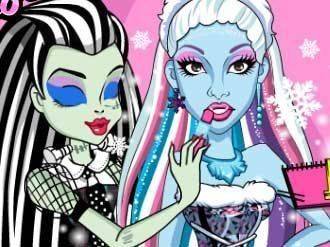
Fantasy Pop Star Makeover
Review
Fantasy Pop Star Makeover delivers exactly what its name suggests: a themed styling session with no fail states. The layered approach—body paint, hair, effects, then outfit—gives each choice visible weight, and the absence of scoring keeps the focus on personal taste rather than optimization. Players who want structured challenges may find it too open-ended, but those who enjoy freeform fashion experimentation will appreciate the accessible interface and the encouragement to mix unexpected items.
About This Game
Choosing a Fantasy Theme
Every makeover starts with selecting a fantasy style from several available themes. This choice sets the aesthetic direction for the entire look, influencing which body paints, hair colors, and outfit pieces will feel cohesive. Because each theme offers a different visual identity, trying more than one before committing helps players understand how the available customization tools interact with different styles. The selection step is not a difficulty gate; it is a creative starting point that shapes the rest of the session.
Layering Body Paint, Hair, and Effects
After picking a theme, players move to a customization screen where the character's appearance is built in layers. Body paint establishes the base skin treatment, hair dye changes the character's hair color, and special effects add unique marks or accents. These three systems work together rather than in isolation: a bold body paint may call for a complementary hair shade, while subtle effects can tie an otherwise busy palette together. The game provides no scoring feedback on these choices, so the only measure of success is whether the player finds the combination visually satisfying.
Building the Complete Outfit
The final stage is dressing the character with clothes, heels, and accessories. Because the outfit sits on top of the body paint and hair choices, it is often the piece that determines whether a look reads as one coherent fantasy concept or a collection of separate ideas. Players can mix and match items freely, and the interface is designed to make navigation straightforward regardless of experience level. There is no timer and no fail state, so a design can be reworked as many times as needed.
Creative Freedom Without Pressure
The game's structure removes typical dress-up constraints. Without time limits or scoring, the focus stays on experimentation and self-expression. Players who enjoy fashion and fantasy themes can explore color coordination between paint, hair, and outfit, or deliberately contrast unexpected elements to create a more distinctive result. The accessible mechanics and open-ended format make it suitable for a wide range of ages and skill levels.

💬 Comments
0 comments